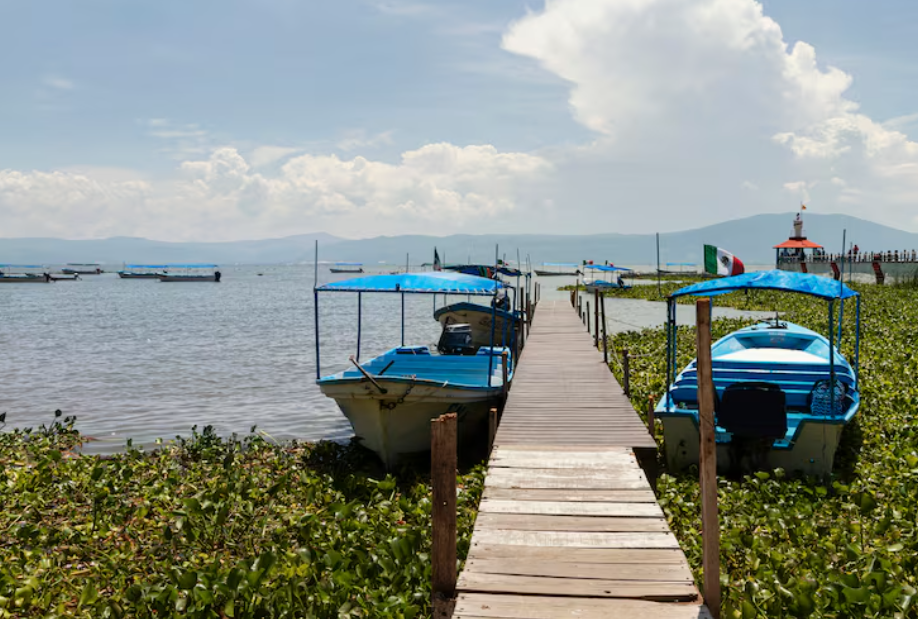
From boating and fishing to stunning sunrise views, Florida waterfront houses provide an amazing lifestyle. But building a dock or seawall along your property is more complicated than just choosing a design and getting to work. Florida needs permits for nearly all waterfront projects since these structures have a direct impact on shorelines, water flow, and marine habitats. Comprehending the permission procedure guarantees that your project is lawful, secure, and ecologically conscious.
What Are Seawall and Dock Permits?
Homeowners can build, modify, or repair waterfront structures with the proper approval for seawall and dock permits. Seawalls protect properties from erosion and storm damage, while docks provide convenient access to the water. Even repairs or replacements that change the height, size, or materials of existing structures often require permits. Bulkhead permit consulting for Florida marine projects helps ensure all work follows regulations, protecting the environment, your property, and neighboring properties.
Why Permits Are Required
Florida's inland and coastal waterways are delicate to the environment. Permits aid in preventing construction from having an adverse effect on wildlife habitats, coastal stability, or water quality. Inadequately constructed seawalls and docks might disrupt seagrass habitats, hasten erosion, or obstruct navigation. In a state vulnerable to hurricanes, tides, and varying sea levels, permits also ensure that projects fulfill technical and safety requirements, ensuring long-term durability.
Agencies That Handle Permits
Multiple entities are frequently involved in obtaining dock and seawall permissions. Environmental compliance and shoreline protection are the main concerns of state-level agencies like the Florida Department of Environmental Protection (FDEP). Zoning, setbacks, and construction codes are reviewed by local county or city building authorities. Projects on navigable waters may occasionally be reviewed by federal organizations such as the U.S. Army Corps of Engineers. Coordination is crucial for approval because each agency looks at a different part of the project.
Planning Before Applying
Careful planning is the first step towards a successful permit. Homeowners should evaluate site conditions, examine their properties, and decide on the project's scope. To show how the dock or barrier will interact with the shoreline and associated wildlife, comprehensive construction drawings and environmental data are needed. Seeking advice from experts in marine construction will guarantee that all agency criteria are fulfilled while also saving time.
The Permit Application Process
Submitting your application and the necessary plans and supporting documentation is the first step in the process. Agencies examine the project's structural soundness, zoning compliance, and environmental impact. Modifications or more information may be needed during the evaluation. Reducing delays and advancing the project toward approval can be achieved by promptly responding to these requests. Permits are granted if all conditions are met, enabling building to start.
Environmental Considerations
Permitting for docks and seawalls is heavily influenced by environmental considerations. Potential impacts on mangroves, wetlands, seagrass beds, and marine life are evaluated by agencies. Projects that use eco-friendly materials, avoid ecological disturbance, and lessen the structure's footprint are frequently approved more quickly. Another important factor to take into account while construction is maintaining appropriate erosion control.
Common Challenges
Permit approval may be complicated or delayed by a number of factors. These include building in environmentally sensitive areas, designs that go beyond permitted setbacks or sizes, inadequate paperwork, and worries from nearby property owners. Early preparation and expert advice assist foresee these difficulties and prevent expensive delays or changes.
Tips for a Smooth Permitting Process
- Before submitting an application, thoroughly inspect the site and evaluate the environmental conditions.
- To guarantee correct paperwork, collaborate with seasoned marine building consultants.
- React promptly to requests for further details or changes to the design.
Responsibilities After Approval
Compliance doesn’t end once a permit is issued. Homeowners must follow approved designs, schedule inspections as required, and implement any erosion control or mitigation measures. Any changes to the original plans usually need additional approval, and failure to comply can result in fines or enforcement actions. The Florida dock permit process for coastal properties ensures that projects are safe, legal, and environmentally responsible from start to finish.
Conclusion
For Florida waterfront homes to safeguard the property and the surrounding area, seawall and dock permits are necessary. Even though the procedure could seem complicated, it is manageable with careful planning, expert advice, and compliance with rules. Homeowners can benefit from secure, long-lasting, and ecologically friendly docks and seawalls that improve property value and the waterfront lifestyle by adhering to the permit process.